The unhealthy toll of 24-7 disaster news
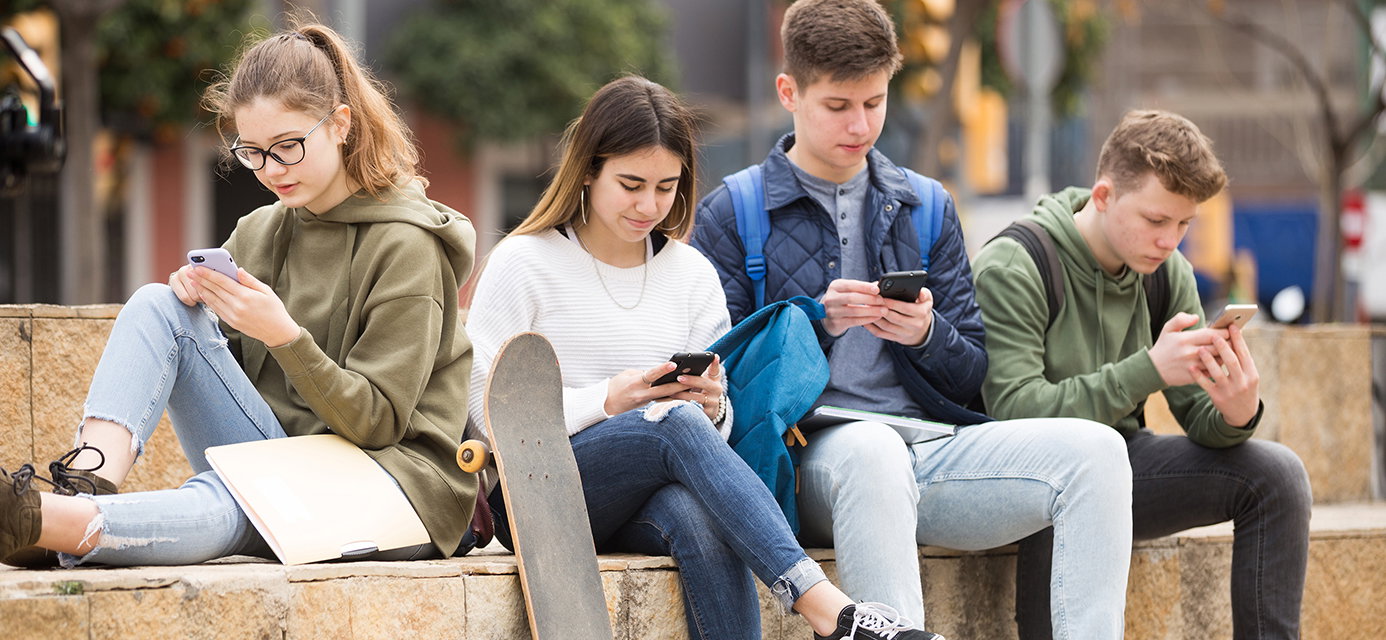
When teens and young adults are regularly exposed to a steday stream of disaster news on social media, it can have a negative effect on their health and well-being. This is especially true for children with learning difficulties, who may be more likely to focus on worst-case scenarios. As parents, you can play an important role in helping your children make healthier media choices.
How Social Media Shapes News Consumption
The world is beining flooded with catastrophic news at an unprecedented scal, and it is being shared faster than ever by billions of people, many of them teens and young adults. Almost all UK secondary school and college students have access to smartphones and spend hours each day on social media, streaming sites, and mobile apps. While many want to stay informed, they rarely rely on traditional news organisations. Instead, they often encounter news incidentally through social platforms where misinformation, progaganda, hoaxes, rumours, and conspiracy theories are widespread.
Why Some Young People Are More Vulnerable
This constant stream of alarming content can create fear and anxiety. Every new notification, video, or message can trigger stress responses, affecting mood, heart rate, and overall well-being. Young people with ADHD, learning differences, or menthal health challenges may be especially vulnerable to fixating on worst-case scenarios. Social media platforms can intensify these worries by feeding fear, uncertainty, and confusion about what is true.
Research on the Effects of Relentless News
Research shows that relentless exposure to disaster news, whether real or false, can worsen already stressful circumstances. For that reason, parents and carers play an important role in helping young people manage the news they consume and build healthier media habits.
Helping Young People Manage News Exposure
Strategies that may help include watching and discussing the news together, encouraging media literacy, and helping young people identify trustworthy sources. It can also be useful to explore documentaries about technology and social media, talk openly about how constant bad new affect mood and sleep, and agree on family rules for screen use and bedtime routines. With support, young people are more likely to develop balanced boundries and make healtier choices about the information they consume.
Feel free to contact us for more information, we are more than happy to help you and your child!
'Kolourful Unique' team