Is Social Media Harming Your Child?
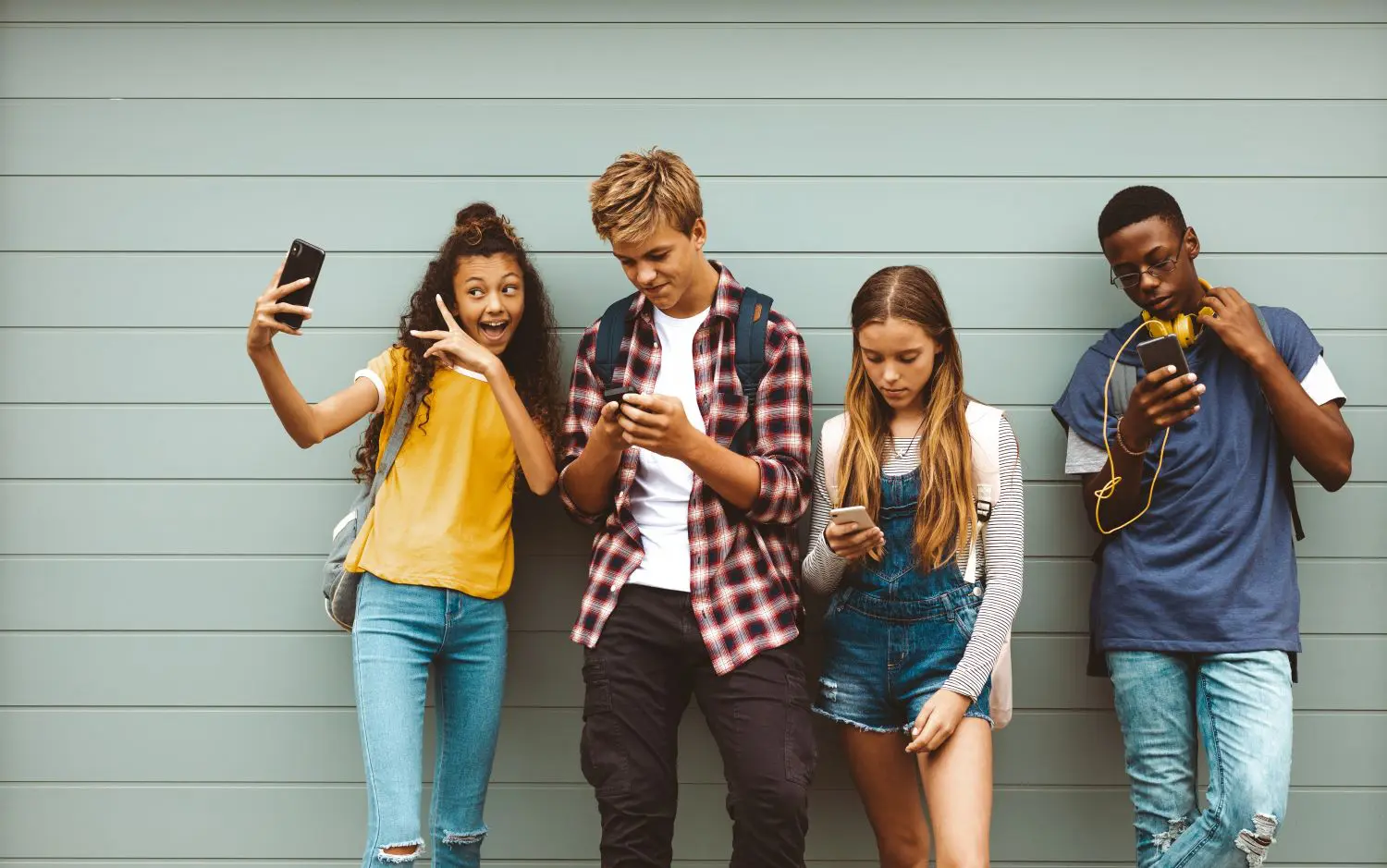
Research shows that social media can have a harmful effect on the mental health of many young people, particularly teenage girls. Young people with learning differences (LD) and ADHD may be especially at risk, as existing challenges with self-esteem can e intensified by constant exposure to idealised images. However, parents and carers can play a key role in reducing these risks by staying actively involved in their children's online experiences.
The Scale of Social Media Use
Around 35 million teenagers in the United Kingdom use Instagram every day. Reports in the media have highlighted internal research form Facebook, Instagram's parent company, showing links between the platform and negative mental health outcomes. These include increased levels of anxiety, depression, eating disorders, and even suicidal thoughts. Constant exposure to carefully edited, idealised images can leave many young people, particularly girls, feeling inadequate and dissatisfied with themselves.
Balancing Benefits and Risks
This does not mean social media is entirely harmful. For many young people, especially during periods of isolation, it has provided a vital way to stay connected with friends and family. However, for a significant number of users, the potential risks may outweigh these benefits, particularly when use is unmonitored or excessive.
Impact on Vulnerable Teens
Many teenagers who already experience mental health challenges report that platforms like Instagram can intesify their struggles. Instead of offering reassurance or connection, these spaces can sometimes deepen feelings of distress.
Developmental Pressure
Adolescence is a time when young people naturally seek acceptance, belonging, and validation. Social media often amplifies these pressures rather than easing them. Endless opportunities to compare themselves to others' appearance, lifestyle, and achievements can leave young people feeling inferior or not 'good' enough.
Increased vulnrability in Learning Differences (LD) and ADHD
Self-esteem can be fragile during adolescence, but young people with learning differences (LD) and ADHD may be particularly vulnerable. Existing challenges with confidence can be heightened by unrealistic comparisons. In some cases, this can lead to harmful behaviours such as disordered eating or thoughs of self-harm, especially among girls striving to meet perceived ideals.
Social Comparison and Risk Behaviours
For young people who already feel different from their peers, social media can intensify feelings of exclusion. This may contriute to anxiety, depression, and, in some cases, risky behaviours as they attempt to fit in or gain acceptance.
Setting Boundries
To reduce the risk associated with social media, it is important to establish clear boundaries alongside open, ongoing communication. A proactive approach can help young people develop healtier online habits.
Age-Appropriate Access
Children under 14 should ideally not have independent access to platforms like Instagram. As many find ways around restrictions, parental control tools can be helpful in limiting access.
Co-viewing and Guidance
If access is a concern socially, parents can choose to use the app together with their child. This creates opportunities to guide what is viewed, discuss emotional responses, and introduce more positive content such as art, nature, or inspirational material. It also allows parents to model thoughtful and balanced engagement.
Managing Use with Older Teens
Foor teenagers over 14 or those already using social media, co-viewing and shared discussions remain valuable. Encouranging mindful use - such as removing apps from phones to reduce impulsive checking - can also support better self-regulation.
Monitoring and Insight
Parents may choose to foloow their child's account or have access to login details, offering insight into the type of content their child engages with. While this does not provide full control, it can open the door for meaningful conversations.
Using Build-In Tools
Features such as activity tracking and time reminders can help you people become more aware of their usage. Although not foolproof, these tools can support healtier habits when used consistently.
Open Communication
Creating a safe space for discussion is essential. Parents should share their concerns while also listening to their child's perspective. Even without agreement, validating feelings helps maintain trust and connection, which are key protective factors.
Starting Conversations
Open-ended questions can make discussions feel less confrontational. For example, asking about how social media affect others can make it easier for young people to share indirectly. exploring news stories or documentaries togeher can also help build awareness and understanding.
Modeling and Sharing Experiences
Parents sharing their own experiences with social comparison can normalise these feelings and strengthen communication. Honest converstations help young people feel less alone and more supported.
Finding a Healty Balance
Social media is central part of many young people's social lives and identity. While it cannot - and should not - be removed entirely, the goal is to ensure that its impact remains more positive than harmful through guidance, boundaries, and ongoing support.
Feel free to contact us for more information, we are more than happy to help you and your child!
'Kolourful Unique' team