How Sensory Play Supports Neurodivergent Children: Benefits, Science, and What Parents Need to Know
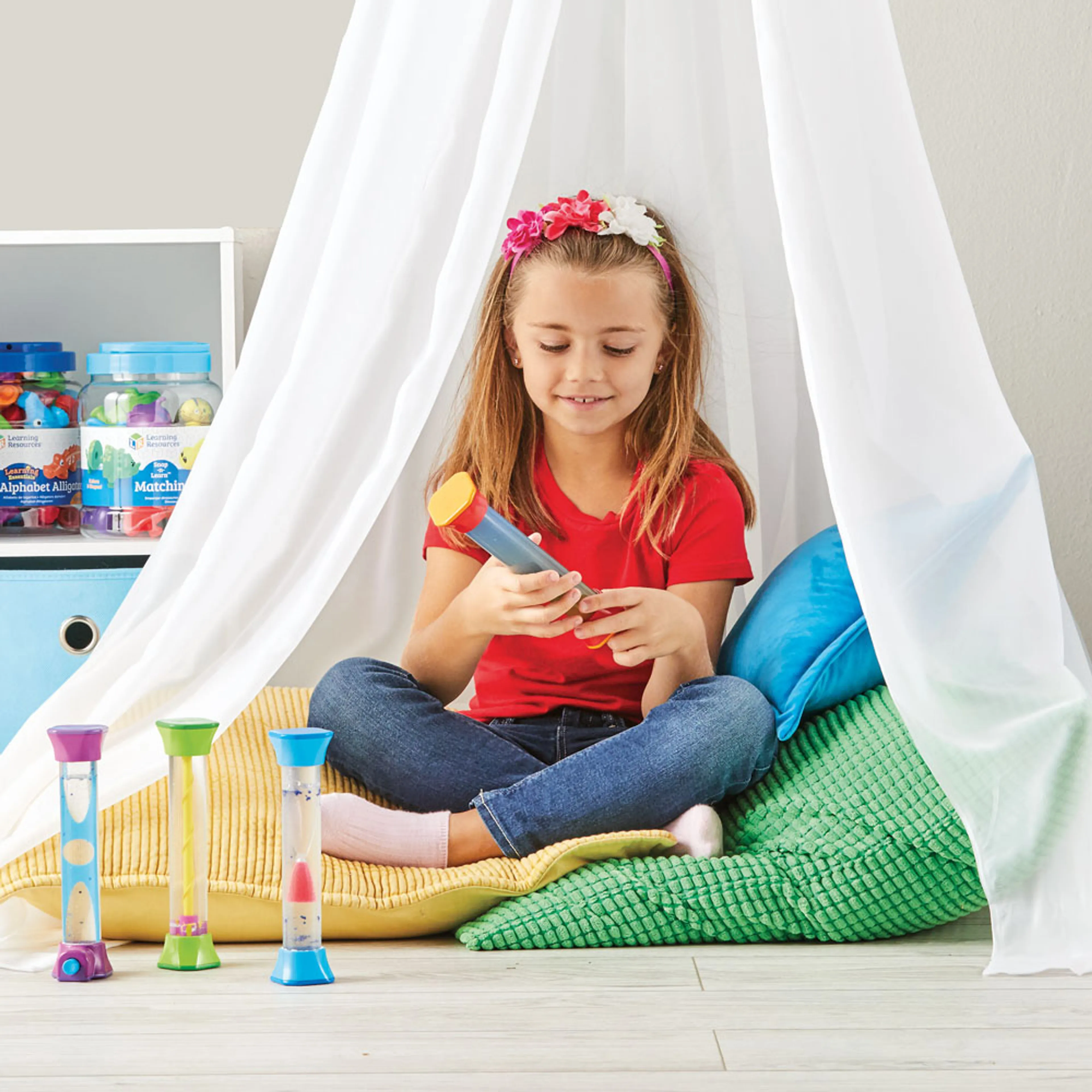
Sensory play is more than just fun, it’s how many children explore, understand, and make sense of their world. For neurodivergent children, including autistic kids or those with sensory processing differences, sensory play can be truly transformative. It helps them regulate their bodies, build confidence, and learn in ways that feel safe and joyful.
What Is Sensory Play?
Sensory play includes any activity that engages one or more of the eight senses:
- Hearing
- Sight
- Smell
- Taste
- Touch
- Movement
- Balance (the vestibular sense)
- Deep pressure or body awareness (proprioception)
These sensory systems work together to help the brain understand what’s happening around us. For many neurodivergent children, the world can sometimes feel too loud, bright, fast, or unpredictable. Sensory play provides a gentle, safe way to process all that input without becoming overwhelmed. Examples include:
- Water play
- Exploring textures like sand, rice, or foam
- Climbing, jumping, and rolling
- Swinging or spinning
- Deep pressure play
- Light exploration
- Cause-and-effect toys
Through playful experiences like these, the brain learns to sort, organize, and respond to sensory information more smoothly.
Why Sensory Play Matters
Sensory play offers powerful benefits for neurodivergent children. It supports:
- Emotional regulation
- Motor skills and body awareness
- Communication and connection
- Reduced sensory overload
- Confidence and independence
Everyday environments — schools, shops, playgrounds — can sometimes be overstimulating. Sensory play gives children a chance to unwind, explore, and rebuild a sense of calm.
1. Emotional regulation
Children often need to calm their bodies before they can express emotions or communicate clearly. Activities that offer deep pressure, gentle movement, or warm textures help lower stress levels and restore balance.
2. Motor skills and body awareness
Climbing, crawling, pushing, pulling, and balancing help children learn how their bodies move and where they are in space. This kind of play builds strength, coordination, confidence, and safety awareness.
3. Communication and social skills
Sensory play creates shared experiences where communication comes naturally — whether through speech, gestures, or eye contact. It removes pressure and lets relationships grow organically.
4. Reducing sensory overload
When a child’s brain absorbs too much noise, motion, or brightness, meltdown or shutdown can follow. Gentle sensory play helps release tension, reset the nervous system, and gradually increase tolerance.
5. Building confidence
Traditional play spaces can feel chaotic or unpredictable. Sensory play lets children take control, exploring at their own pace and comfort level. Feeling safe builds bravery.
The Science Behind Sensory Play
Research shows that sensory play strengthens “neural pathways,” the brain’s communication routes that connect and integrate information. When children engage in sensory activities:
- Their brains practice organizing input
- Stress levels decrease
- Learning becomes easier
- Communication improves
This is why occupational therapists often use sensory tools such as:
- Weighted items
- Swings
- Compression or resistance tools
- Textured bins
- Calming corners
Understanding Common Sensory Profiles
Each neurodivergent child experiences the world differently, but certain sensory patterns often emerge:
- Sensory seekers crave movement, pressure, jumping, spinning, or bold sensations.
- Sensory avoiders may shy away from bright lights, loud noise, certain textures, or crowds.
- Mixed profiles show a combination, for example, loving movement but disliking sound.
Recognizing your child’s unique sensory profile helps you respond with understanding rather than frustration.
Simple Sensory Play Ideas for Home
You don’t need special equipment, everyday materials can meet sensory needs beautifully. Try:
- Calm corner: Soft cushions, gentle lighting, and favourite textures or books.
- Water play: Warm or cool water with cups, bubbles, or foam.
- Texture exploration: Rice, pasta, fabric, kinetic sand, or soft brushes.
- Movement play: Rolling, gentle swinging, or cushion climbing.
- Deep pressure: Blanket burritos, weighted lap pads, or firm hugs (if your child enjoys them).
These activities help children regulate emotions and energy in safe, soothing ways.
Why Sensory-Friendly Spaces Matter
Modern environments can be noisy, crowded, and unpredictable, making life extra challenging for children with sensory sensitivities. This can lead to meltdowns, anxiety, or avoidance of new places.
Sensory-friendly spaces with soft lighting, calming corners, safe materials, and predictable layouts make an enormous difference. They nurture calm, joy, exploration, and belonging - for children and parents alike.
What to Look for in a Sensory-Inclusive Community
When searching for sensory-safe places, look for:
- Gentle lighting (no harsh glare)
- Soft, natural materials
- Quiet zones or rest corners
- Clear, simple layouts
- Inclusive designs that support both seekers and avoiders
- Staff trained in sensory awareness
- An overall calm and accepting atmosphere
Final Thoughts
Sensory play isn’t a bonus, it’s a foundation for growth. It helps children feel safe, capable, and understood. For neurodivergent children especially, sensory play is regulating, empowering, healing, and joyful, a bridge toward learning and connection.
Whether it’s in your living room, the local park, or a community play space, the goal remains the same: to help your child feel safe in their world. Because when children feel safe, they thrive.
Feel free to contact us for more information, we are more than happy to help you and your child!
'Kolourful Unique' team


