Gaming, Screens and ADHD
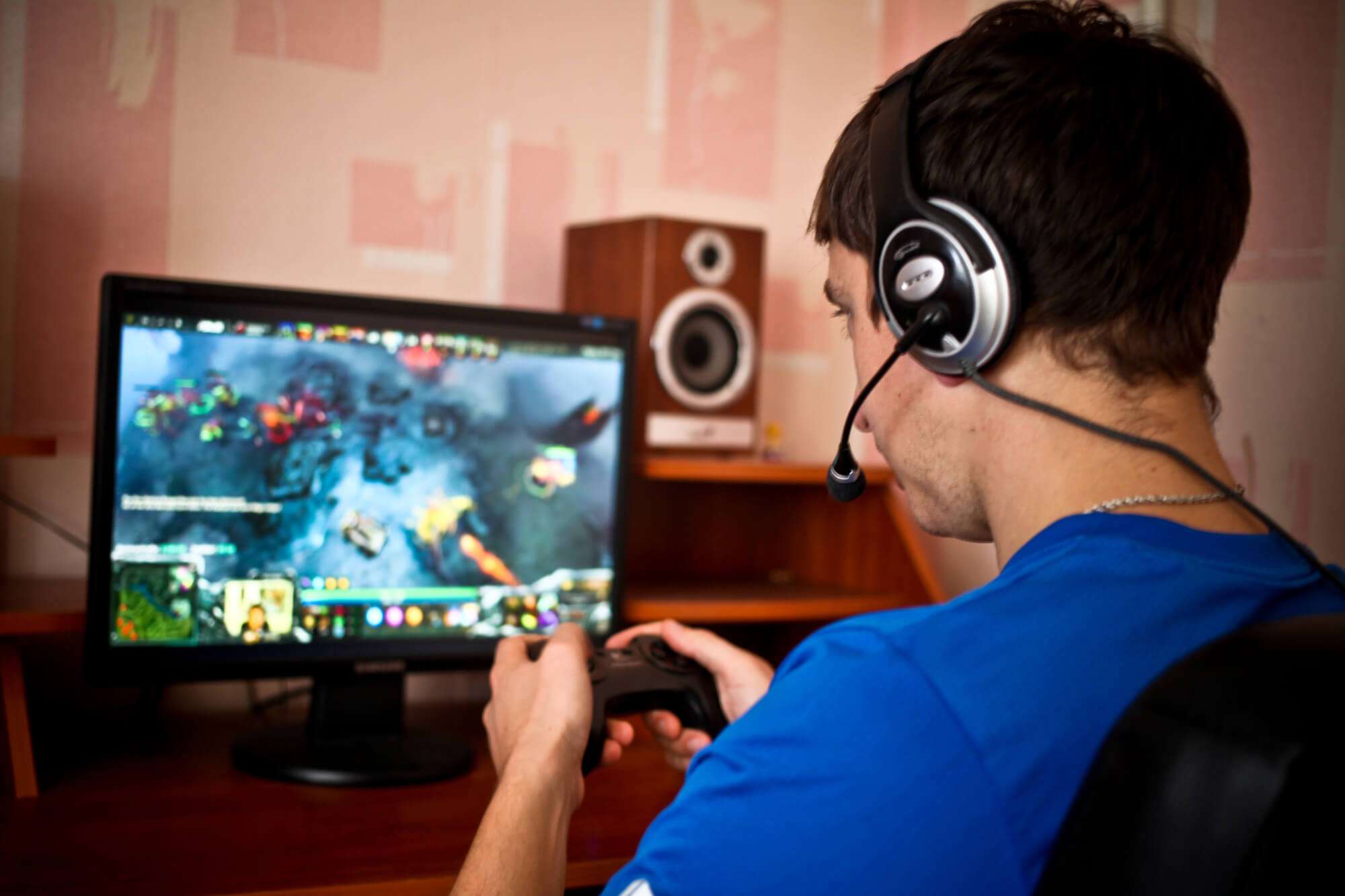
With growing awareness of how screen use can impact children, the responsibility for guiding healthy habits sits firmly with parents. Explore these expert-designed strategies to help ensure screen time and gaming remain a positive part of your child's routine.
Technology is everyday life
Technology is woven into everyday life for tweens and teenagers. They use it to stay connected with friends and family throughout video games, social media, and messaging platforms. Screens also offer ways to relax, explore interest, solve problems, compete, learn new things, and have fun.
When screen use becomes challenging
However, for young people with ADHD and executive functioning challenges, screen use can sometimes become unbalanced. It may interfere with responsibilities like schoolwork and chores, and in some cases, lead to compulsive or addictive patterns of behaviour.
Understanding gaming disorder
Jeremy Edge, a specialist in gaming disorder, explains that gaming disorder is now recognised in the International Classification of Diseases (ICD-11). While many teenagers engage with gaming in a healty, recreational way, some experience difficulties. Around 10% develop compulsive habits, such as staying up late and falling behind on schoolwork. A further 5% experience regular conflict with parents due to gaming. Between 1% and 4% meet the criteria for gaming disorder, which involves a loss of control over gaming, intense cravings, emotional dysregulation, neglect of responsibilities, and limited awareness of the impact of their behaviour.
The link between ADHD and gaming
There is also a complex relationship between ADHD and gaming. Gaming can feel especially engaging for those with ADHD, but excessive use can intensify challenges such as implulsivity, focus, and emotional regulation.
Potential impacts of overuse
According to Edge, increased screen use can contribute to a range of negative outcomes. Gaming is often a solitary activity, which can increase the risk of anxiety, low mood, and difficulties in relationships with family, teachers, and peers. Overuse may also lead to unhelpful thinking patterns, such as procrastination, as well as impulse control difficulties. In some cases, features like 'loot boxes' can introduce financial risks, similar to gambling mechanics.
Support healty screen use
There are several ways parents can support children who may be struggling with screen use:
- Model balanced habits. Demonstrate healty, intentional use of
devices by setting limits, being mindful of screen time, turning
off unnecessary notifications, and maintaining screen-free
routines, especially before bedtime. Talking openly about your
own habits can also help.
- Understand your child's perspective. Take time to explore what
your child enjoys about their online activities. Open, curious
converstations can help you better understand the role
technology plays in their life.
- Keep conversations non-judmental. If concerns arise, focus on
observed changes such as mood, behaviour, or school
performance. Suggest taking a break from gaming if needed,
and revisit the conversation later.
- Set clear, consistent boundries. Work together to create realistic
expectations around screen use. Focus on achieving balance
across daily activities rather than simply limiting time. Practical
steps might include separating devices for school and leisure or
using apps that support boundaries.
- Encourage independence and self-regualtion. Help your child
reflect on how they can use technology in a positive and safe
way. Support them in developing strategies that work for them.
- Promote alternative activities. Identify what your child enjoys
about gaming, such as competition, creativity, or problem-
solving, and channel those interests into offline activities like
sports, creative hobbies, or group challenges.
Recognising the signs of gaming disorder
Gaming disorder is defined as a term of behaviour lasting at least 12 months, including:
- Difficulty controlling gaming habits.
- Increasing prioritisation of gaming over other interests and
responsibilities.
- Continued use despite negative consequences.
- Significant impact on daily functioning, including family life,
education, and social relationships.
Feel free to contact us for more information, we are more than happy to help you and your child!
'Kolourful Unique' team